Software · Post Line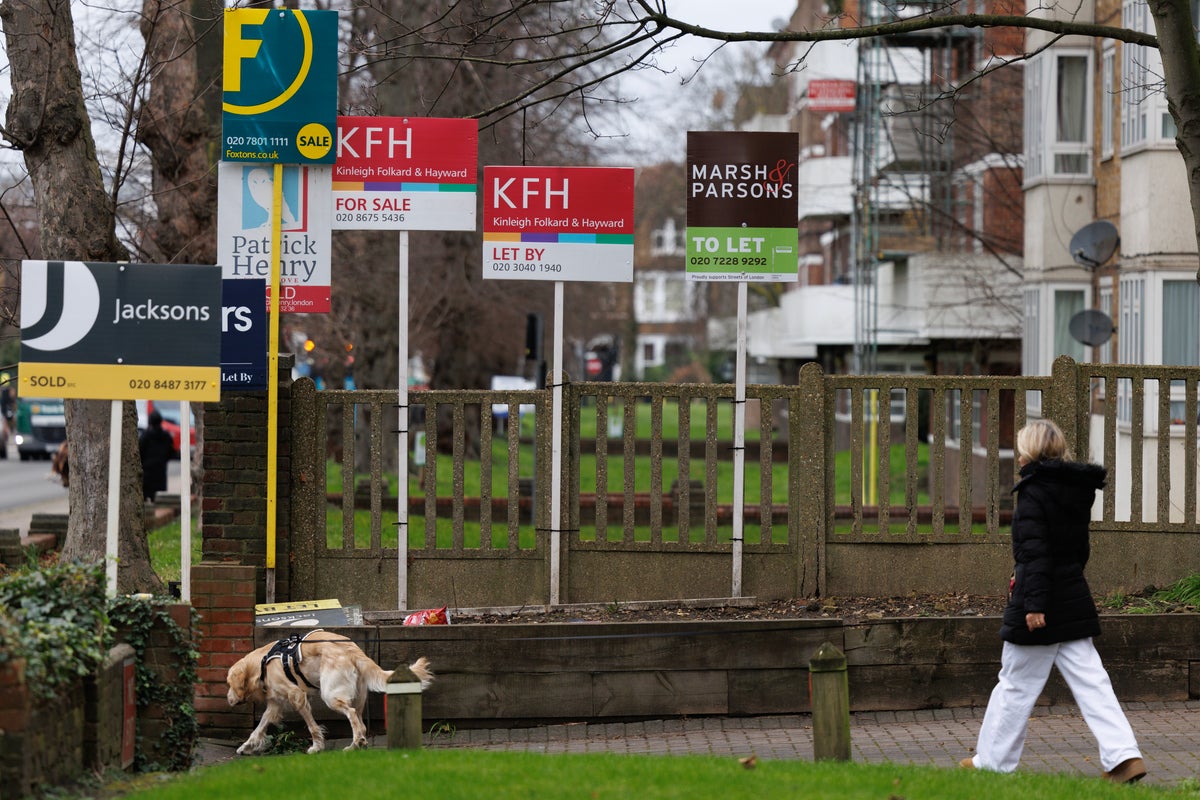
L ittle is shifting where I live. Every day I walk the dogs and I linger at the estate agents’ windows. For weeks now, they’ve barely changed.
I tell a lie; what have altered are the prices. Some are showing marked reductions . I live in southwest London but the same is true across much of the southern half of the country.
The north is faring better but only just. The UK housing market is flatlining; worse, the trend is downward. House sales, prices and demand all dropped last month.
The Royal Institution of Chartered Surveyors (Rics) says its index of buyer enquiries fell to minus 22 in September from minus 18 in August. Agreed sales also dipped, to minus 18 from minus 16 over the same month, while house prices slipped to minus 32 from minus 28. What do these figures mean?
They’re the difference between the share of estate agents reporting rising and falling enquiries, sales or prices. So, firmly negative and getting worse. What’s especially significant about this latest survey is that September is usually when there is a pick-up.
It’s after families are back from their holidays, the schools have resumed and those plans to sell and move, hatched on the beach, are put into practice. October is also normally buoyant, but then as autumn and winter set in, the days darken and Christmas beckons, the market starts to flag. This year, the agents are not their confident selves; the annual spring in the step is missing.
It’s not only the Rics measurement that has cast a cloud. Research from Lloyds shows that the average house price was £298,441 in September, same as it was exactly a year previously. Estate agents are reporting that buyer enquiries are down significantly (Getty) Quarterly figures from Stonebridge, the UK-wide independent mortgage and protection network, also reveal mortgage applications in the third quarter fell by 18.2 per cent from a year ago, and applications from first-time buyers dropped 18.6 per cent over the same period.
So, down and down. Worst hit, according to reports from the agency frontline, is the South East, with the most expensive echelon – over £1.25m – the hardest hit. The South generally is stagnating at best – one agent in Bristol was quoted on Bloomberg as saying “prices achieved now are, on average, equivalent to approximately five years ago”.
There is a split, too, between the types of property. Average “family” houses are proving the most resilient; high-end is proving difficult to budge. As for flats, in some parts of the country, they are through the floor – in London, particularly.
Over-supply, landlords trying to exit amid worries about their tax treatment, legislative changes and ongoing concerns about new health and safety regulations, post-Grenfell, have combined to depress that section of the market still further. Overall, what is casting a shadow are higher borrowing costs and geopolitical uncertainty made worse by a Middle East war that shows no sign of ending any time soon, coupled with nervousness in the build-up to the Budget due in a few weeks. Bank of England data discloses that the five-year average fixed mortgage with 75 per cent loan-to-value – the industry standard – climbed to 4.98 per cent at the end of September, up from 4.96 per cent in April and the highest rate since 2023.
It might seem strange, because the Bank of England has consistently been holding rates. They’re rising because lenders are expecting the Bank cannot stay firm for much longer and, in the face of inflationary pressures, from energy and other bills, it will be forced to make an increase. If only they displayed the same alacrity when rates drop, but hey ho, it was ever thus.
While Andy Burnham may draw some comfort from the North not being so badly affected and a geographical price levelling of sorts being underway, it should not be lost on him that the UK does best when people are moving. He could also do without the rising mortgage rates as well, which add to the general cost of living. The Bank of England reckons that around five million households will face increased mortgage repayments by the end of 2028.
The government’s new “Your First Home” help-to-buy scheme cannot come soon enough. It will provide some benefit, but only some. Post-Budget – and Britain has got itself into a cycle where so much hangs on whichever chancellor is in office and what they will say, to a degree that is unnecessary and damaging – what the future brings is of course, unknown.
It could be that once the US midterms are out of the way, a renewed effort is made to reach an accord in the US-Iran conflict. Ukraine could also be resolved. The energy market could settle down and, if usage by the AI giants was to decline as well, helped by investors turning against the new technology, then that would be a boon for borrowers.
All that, though, remains unknown. What is the case, today, is that the market has settled into a pattern we’ve not seen since before the 2008 financial crash. When that crisis struck, interest rates plummeted to virtually non-existent levels.
Welcome as that was, those of us with longer memories were aware it could not last, that at some point they would climb and stay there – which is how they had been for pretty much all our lives. Younger folks who thought low interest was permanent were in for a rude awakening – us oldies were under no illusion that normality would eventually return. So it has proved.
That dreaded fear we were also all too familiar with, of negative equity, is rearing its head. If rates spike, then we could revisit those bad old days. We’re nowhere near that yet.
The differences, as negative as they are, ought not to provoke alarm. A nagging disquiet maybe, but nothing like an emergency. That could change, and certainly, matters would not be assisted if John Healey did a Labour equivalent of Liz Truss and shocked the bond markets, leading to Britain’s credit rating going into freefall.
We have to hope he does not. What we’re facing, most likely, is a resumption of normal. It’s not great, being in the doldrums, not brilliant for the economy, for homeowners, sellers or would-be buyers, but attempting to negotiate a raging storm is a whole lot worse.
Source: The Independent